
As we look ahead to 2026, floral design is becoming more expressive, more intentional, and more immersive. This year’s trends move beyond “pretty” and lean into storytelling through shape, texture, and atmosphere. Here’s what’s coming next, and how you can put these ideas to work.
SCULPTURE: FLOWERS AS ART
Structure & Architecture
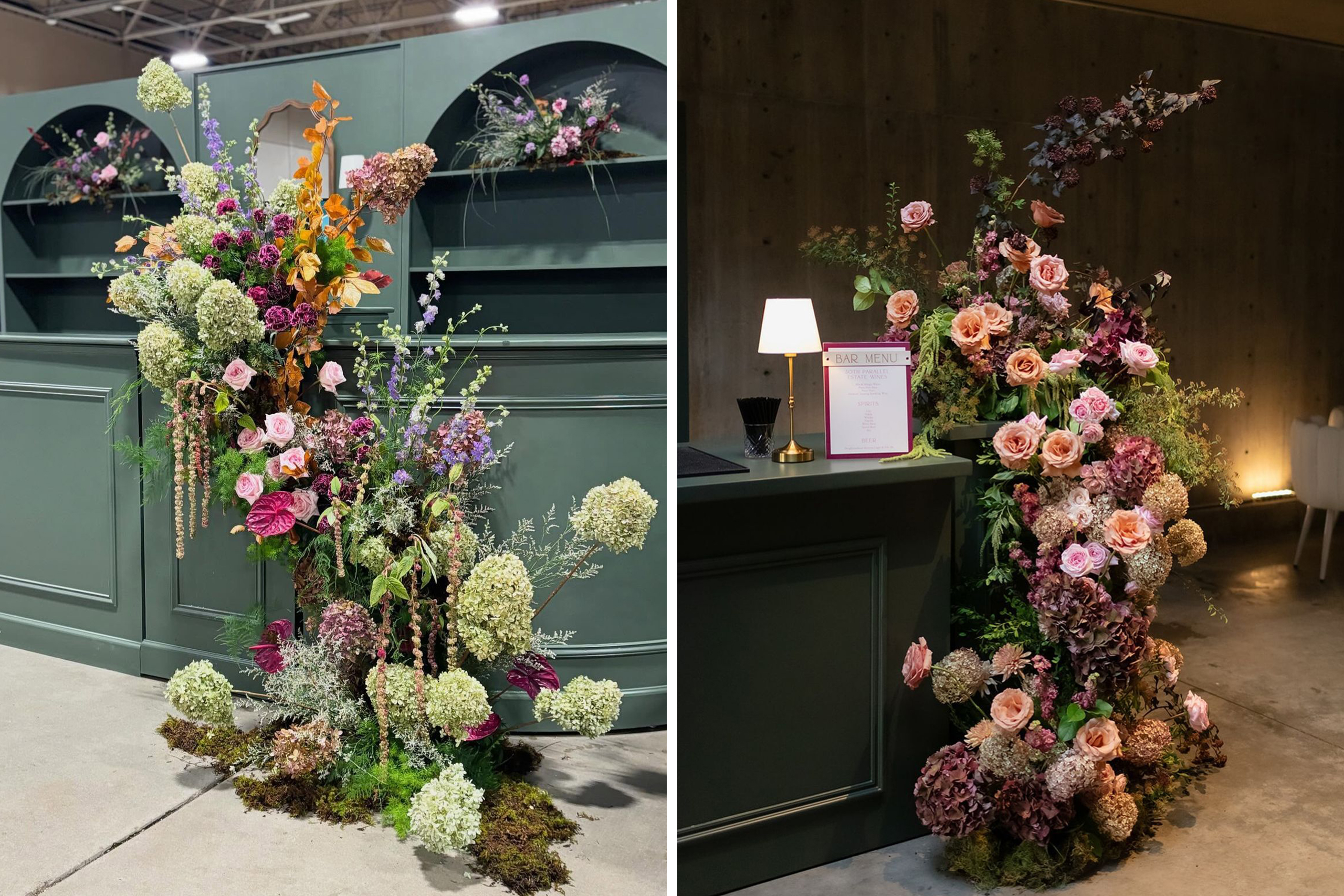
After years of loose, garden-inspired designs, 2026 embraces structure. These arrangements feel intentional, sculptural, and inspired by architecture rather than nature alone.
How to use it: Think beyond the vase. Use floral foam cages, grids, or armatures to build strong shapes. Keep color palettes tight so form becomes the focal point.
Flower ideas: Roses, garden roses, lisianthus, hydrangea, carnations.
Exaggerated Shapes
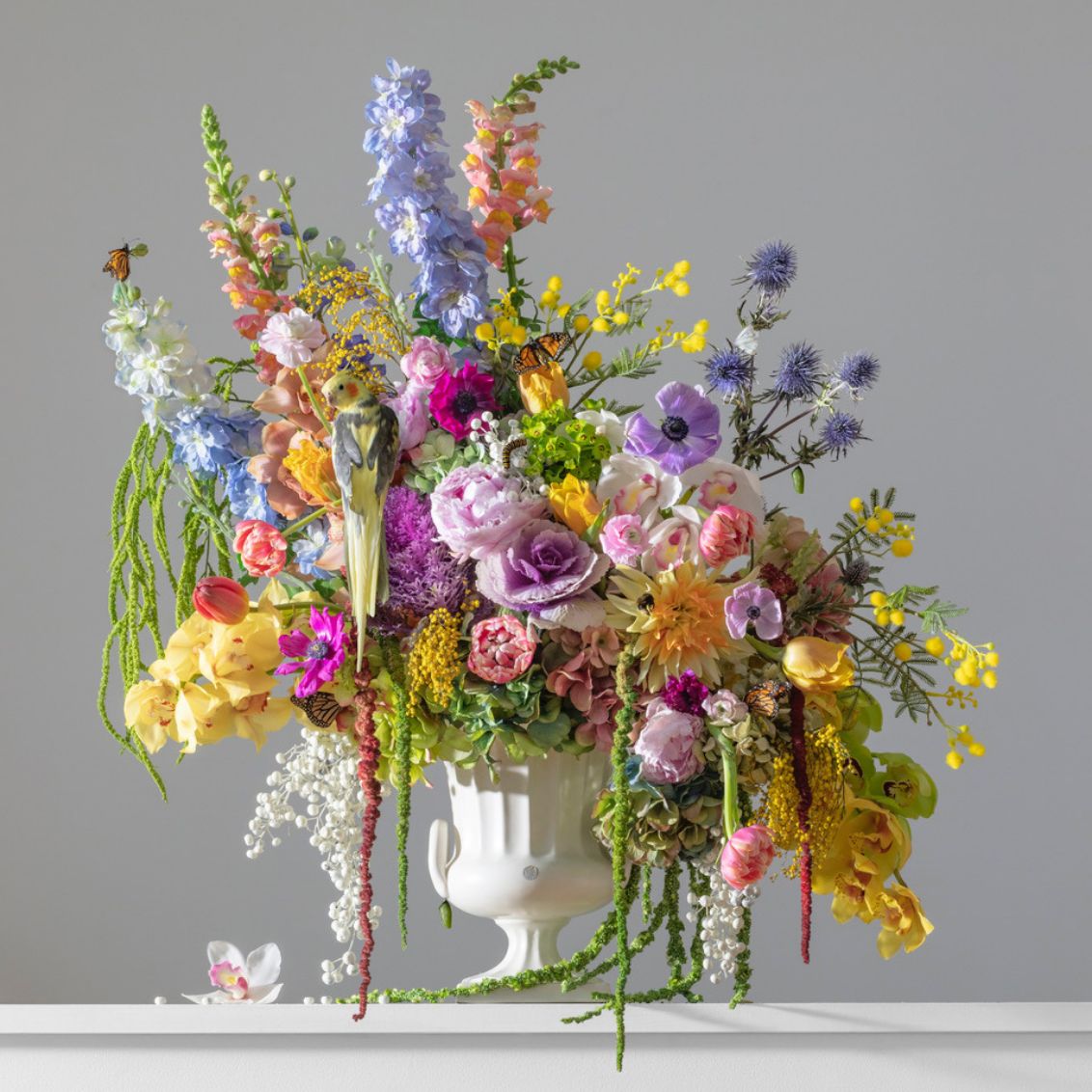
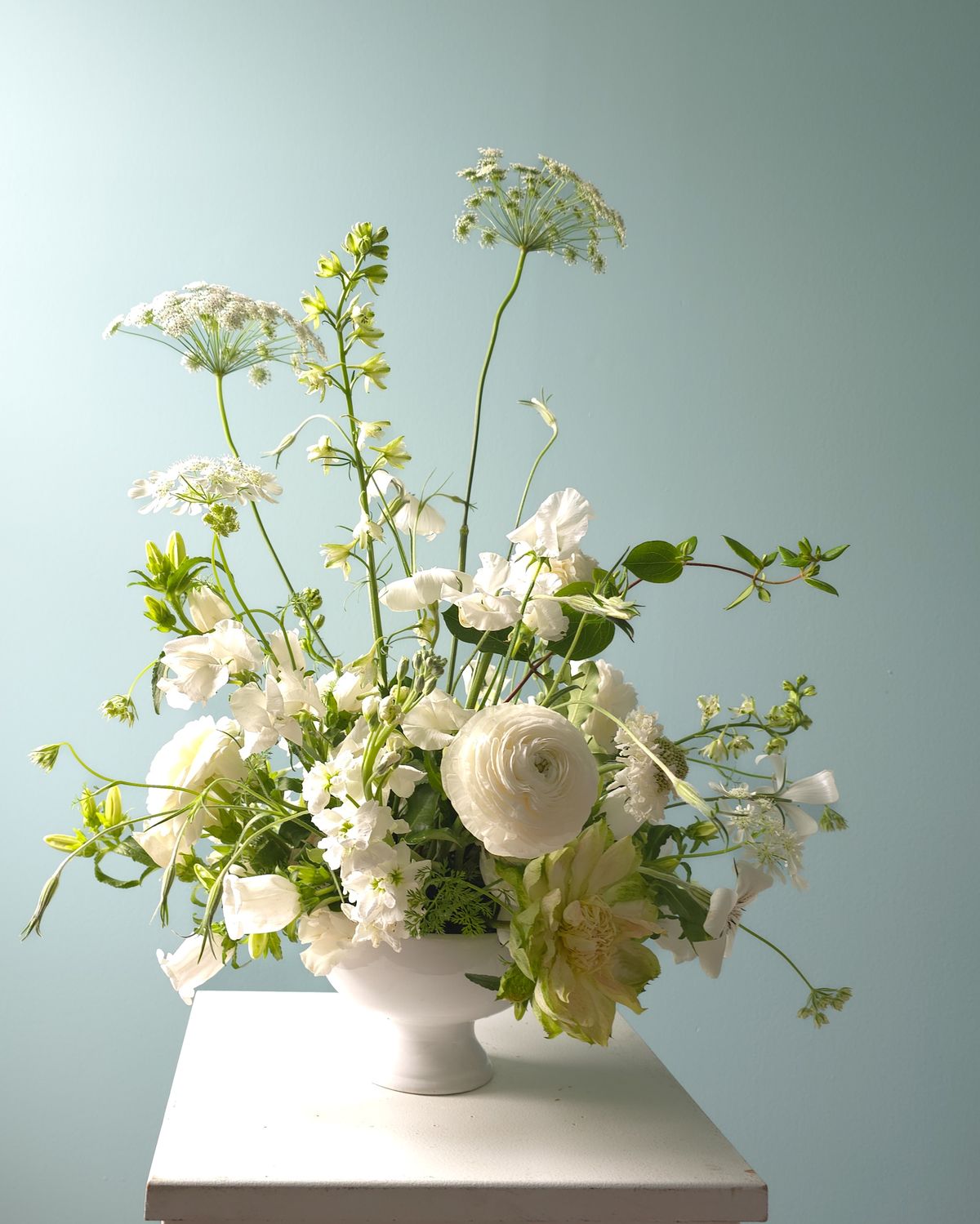
Designs are stretching upward and outward, highlighting how flowers naturally move. Tall, winding lines and dramatic negative space draw the eye and create a sense of motion.
How to use it: Let long-stemmed blooms lead the design. Anchor with one or two statement flowers, then layer lighter textures around them. Contrast large blooms with smaller accents to keep the piece dynamic.
Flower ideas: Delphinium, calla lilies, liatris, stock, garden roses.
Peculiarity & Twisted Florals
Curves, bends, and unexpected movement are key. Whether natural or gently manipulated, these lines add energy without feeling chaotic.
How to use it: Use a few twisted elements as visual guides rather than forcing every stem to twist. Leading lines should feel deliberate and balanced.
Flower ideas: Calla lilies, delphinium, larkspur, lisianthus, liatris.
ATMOSPHERE: DESIGNING AN EXPERIENCE
Elaborate Bouquets
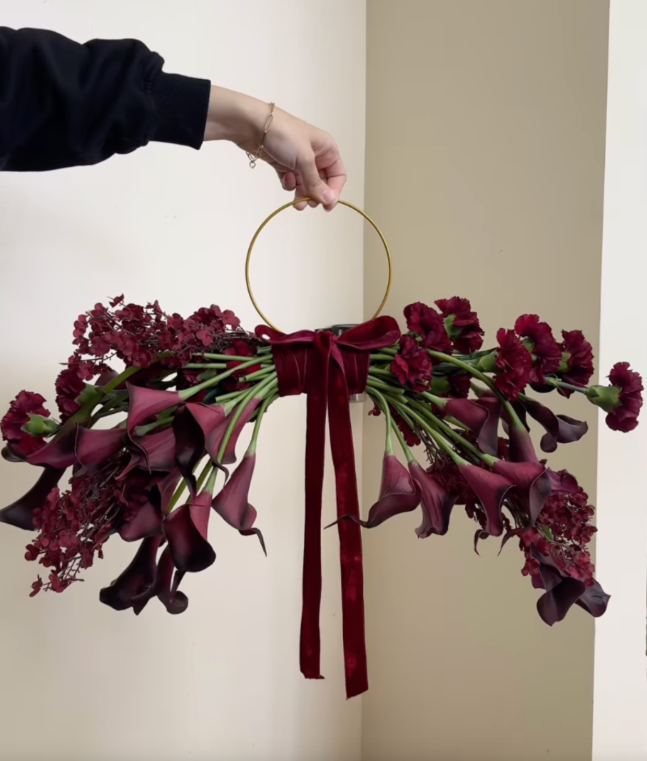
Handheld bouquets are becoming more expressive and less traditional, using unusual materials and bold shapes.
How to use it: Play with scale. Add texture through grasses, ribbons, or unexpected blooms while keeping one dominant color or flower to ground the design.
Flower ideas: Spray roses, ranunculus, lisianthus, stock, craspedia, bells of Ireland.
Dramatic Color & Texture
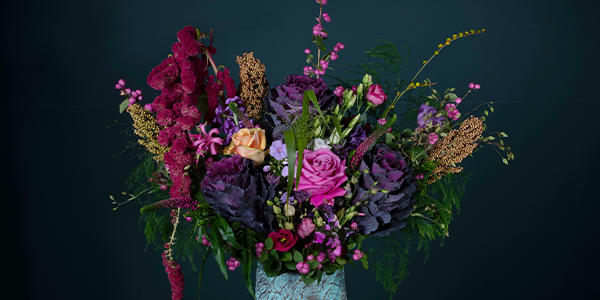
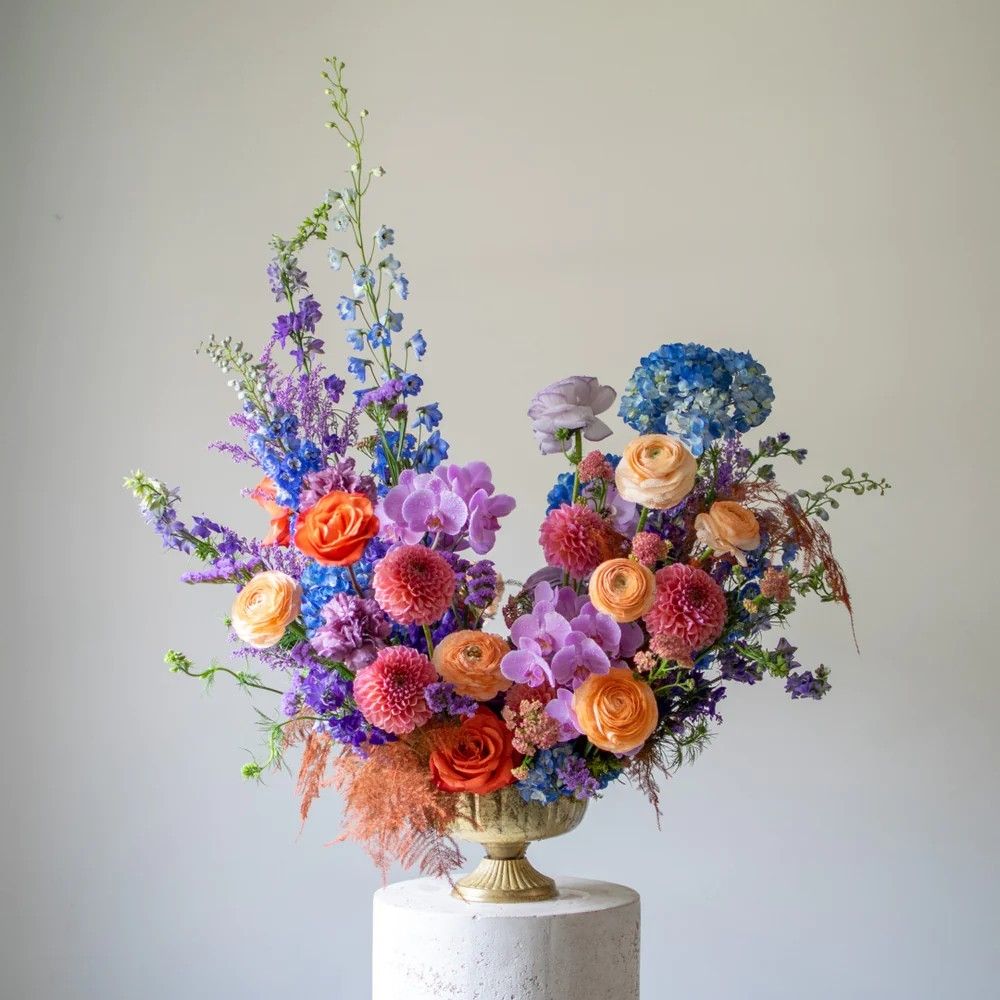
Bold color choices and layered textures take center stage in 2026. Even large monochromatic designs feel rich and dimensional when contrasting petal shapes, finishes, and forms are used together.
How to use it: Choose a focused color palette, then build depth by mixing textures like velvety petals, glossy surfaces, airy fillers, and structural elements.
Flower ideas: Garden roses, delphinium, unicorn, ranunculus, carnations, scoop scabiosa, statice, dusty miller.
Fruits & Vegetables in Florals
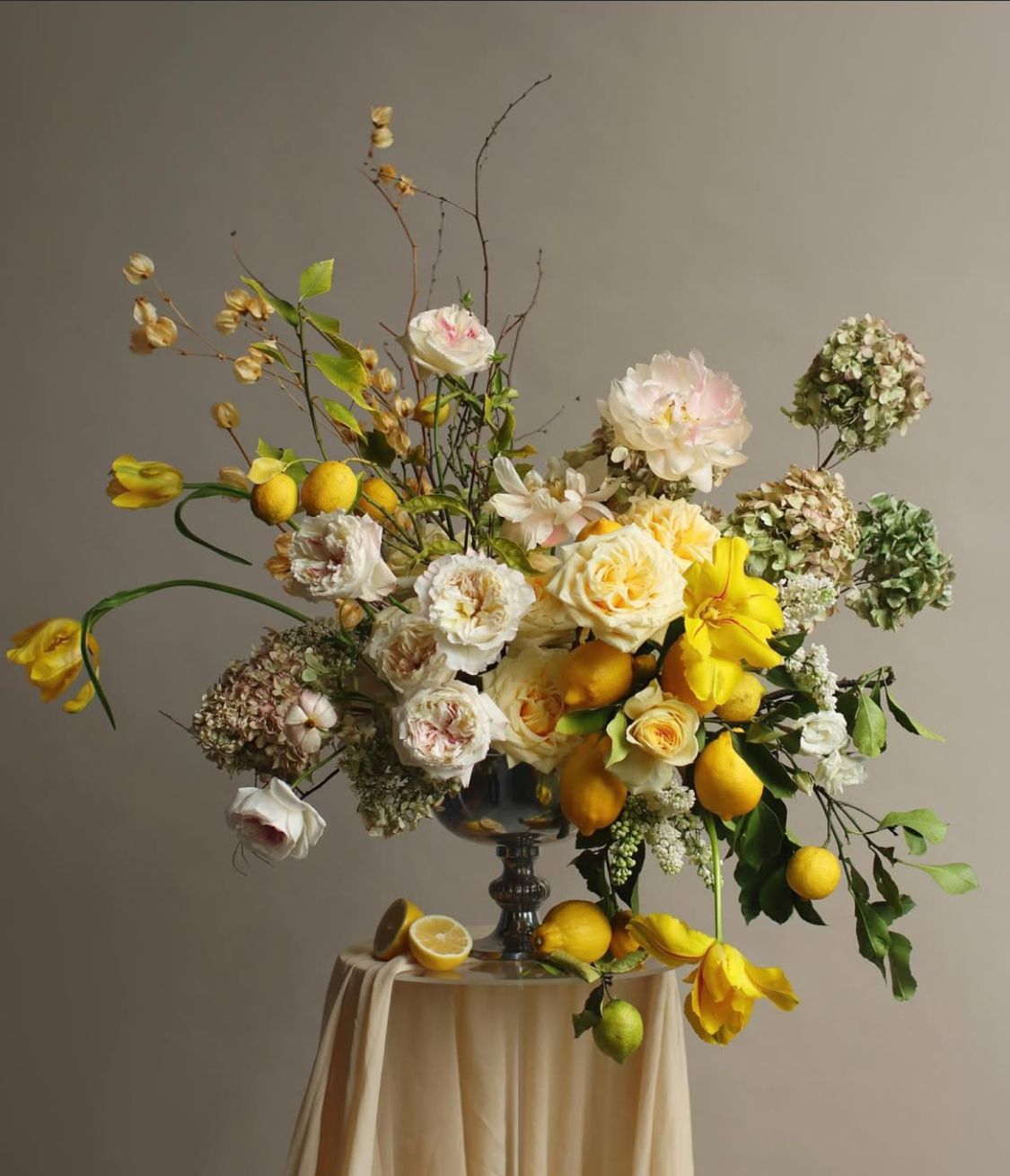
Designers are layering in produce to add scent, color, and texture, especially for tablescapes and seasonal events.
How to use it: Pair fruit with flowers in the same color family for a cohesive look. Keep perishability in mind and reserve this style for short-term events.
Pairing ideas: Pomegranates with burgundy roses, figs with purple ranunculus, and tomatoes with red garden roses.
LOOKING AHEAD
In 2026, the focus is on thoughtful design, expressive forms, and creating atmosphere. By blending structure with movement and pairing bold choices with intention, florists can adapt these trends in ways that feel both modern and timeless.