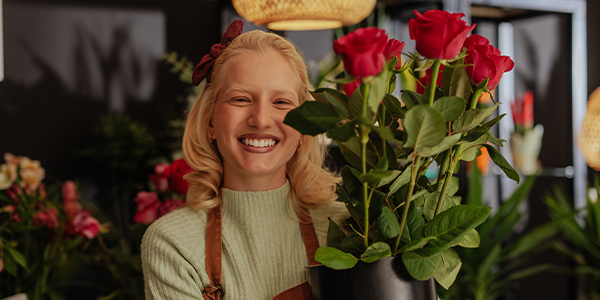

Roses may be the universal symbol of love, but on Valentine’s Day, color speaks before words ever do. Customers instinctively respond to color, often before they know exactly what they want to say. Knowing rose color symbolism can help you guide customers to more meaningful choices, thus boosting sales.
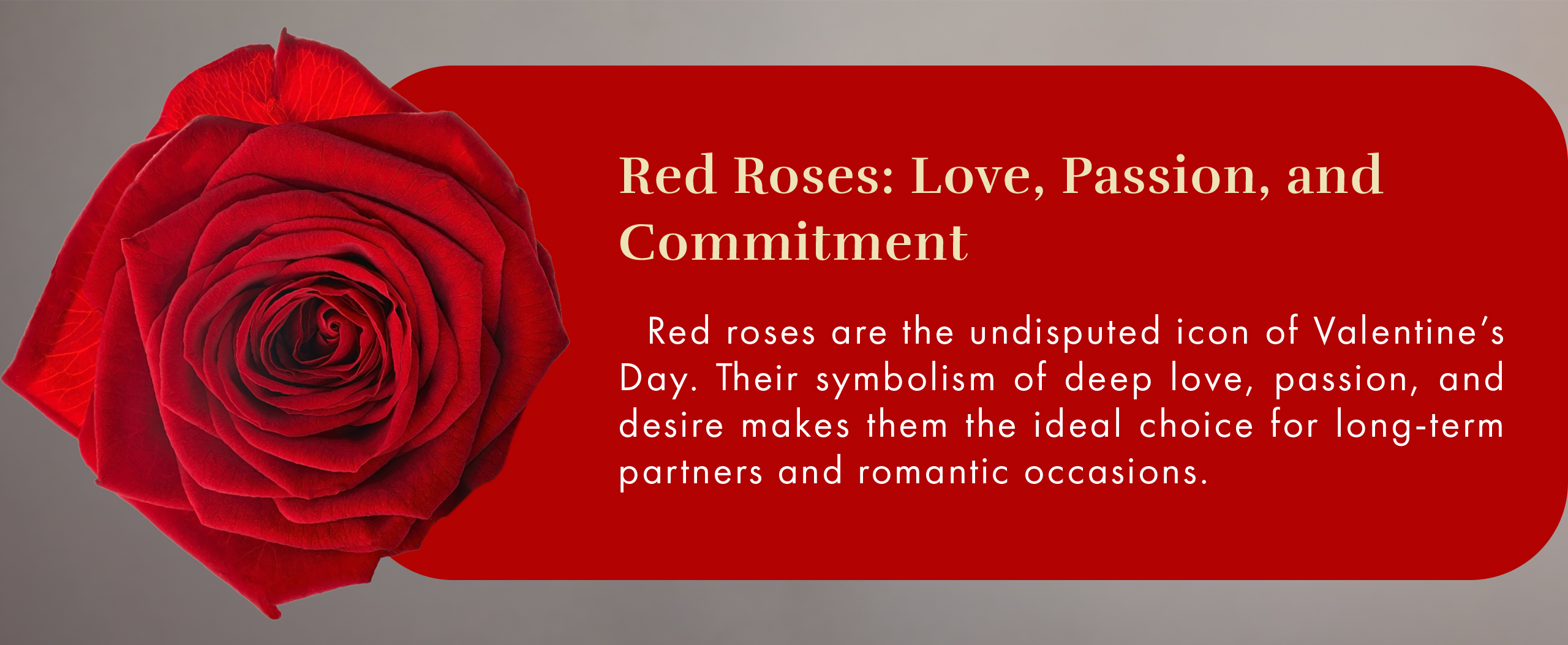
Florists can position red roses as:
• The classic expression of romantic love
• A statement of commitment and intensity
• The safest choice for customers who “don’t want to get it wrong”
Tip: Offer red roses at various price points (classic dozen, premium long-stem, luxury garden rose). This will capture a wider range of budgets without losing the emotional message.
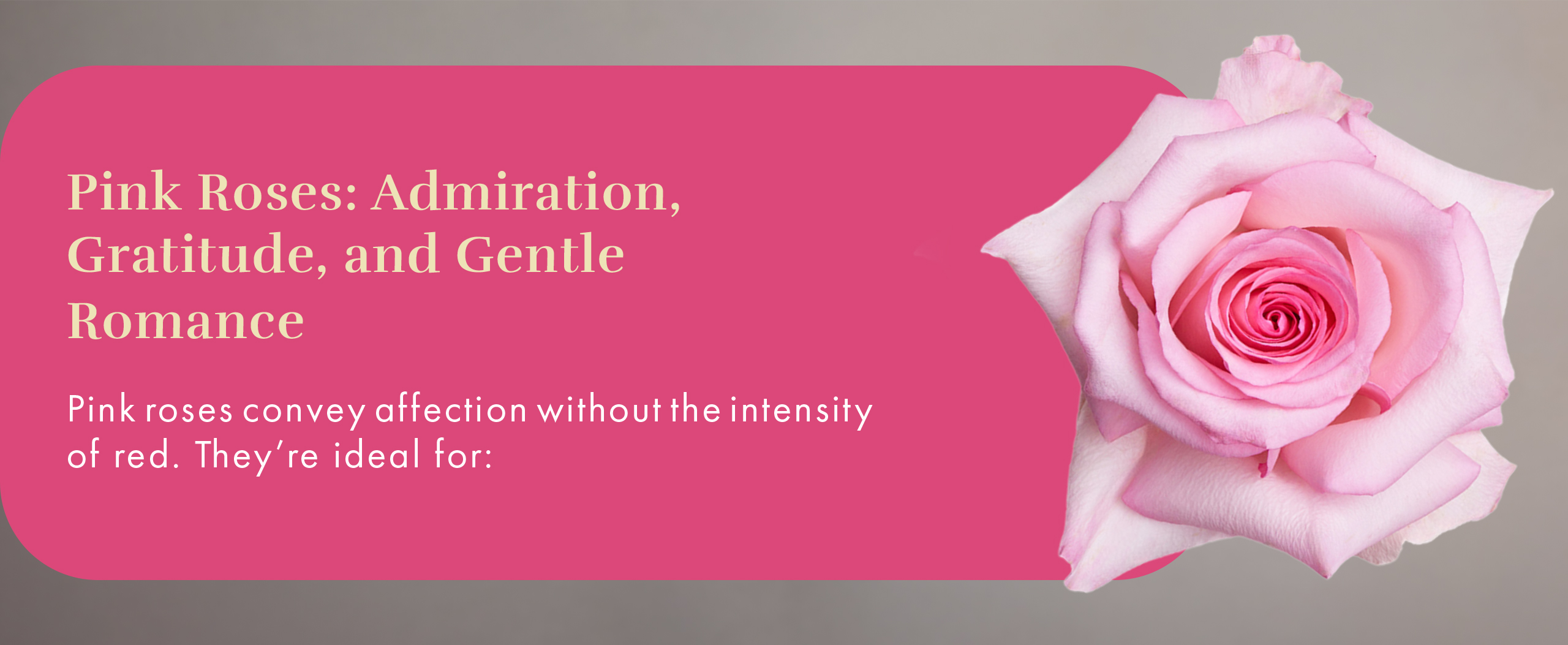
Ideal for:
• New relationships
• Expressions of admiration
• Refined, elegant Valentine’s gestures
Light pink suggests sweetness and grace, while deeper pink conveys appreciation and respect.
Tip: Suggest pink roses for customers who aren’t sure about red, like those in new relationships, partners who prefer softer colors, or recipients with modern tastes.
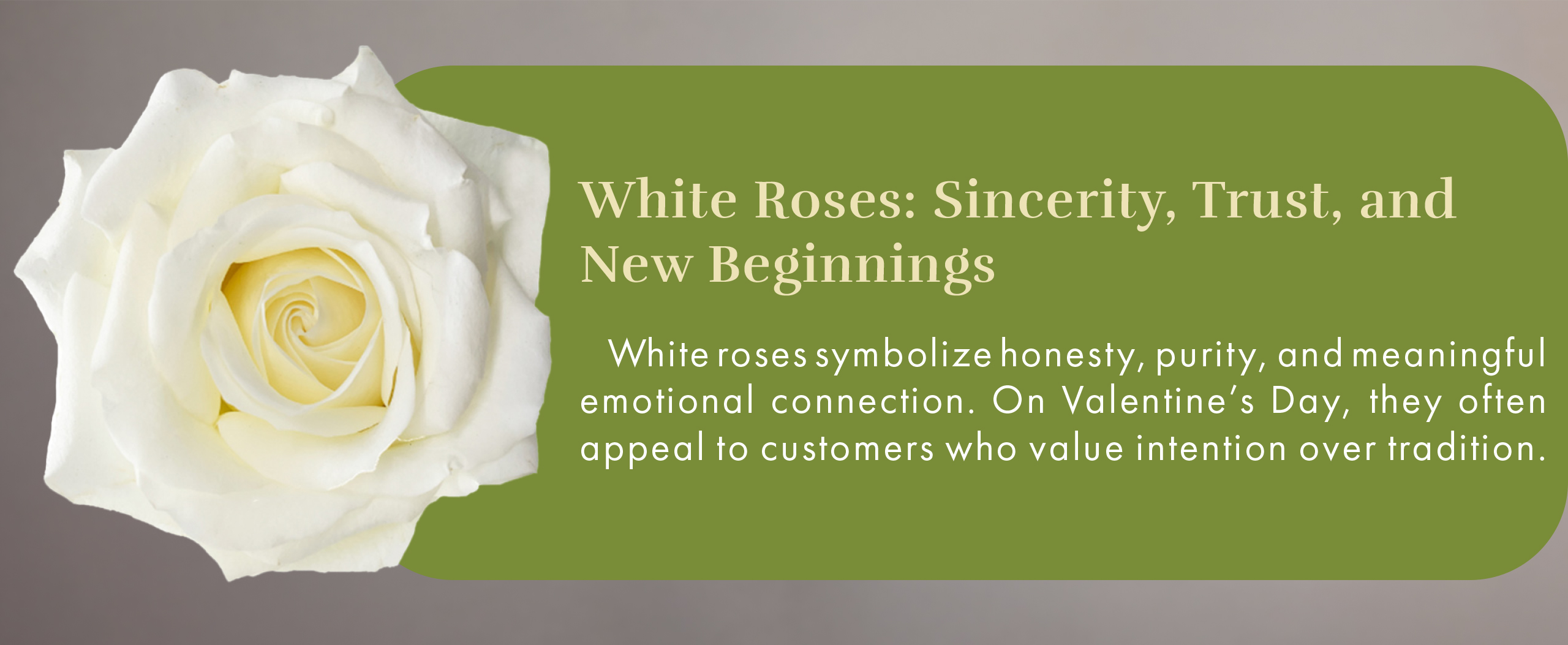
They work especially well for:
• Long-term relationships rooted in trust
• Minimalist or modern designs
• Pairing with blush or soft neutrals for an elevated look
Tip: Use white roses in mixed bouquets to soften bold colors or to create elegant, contemporary Valentine’s designs.
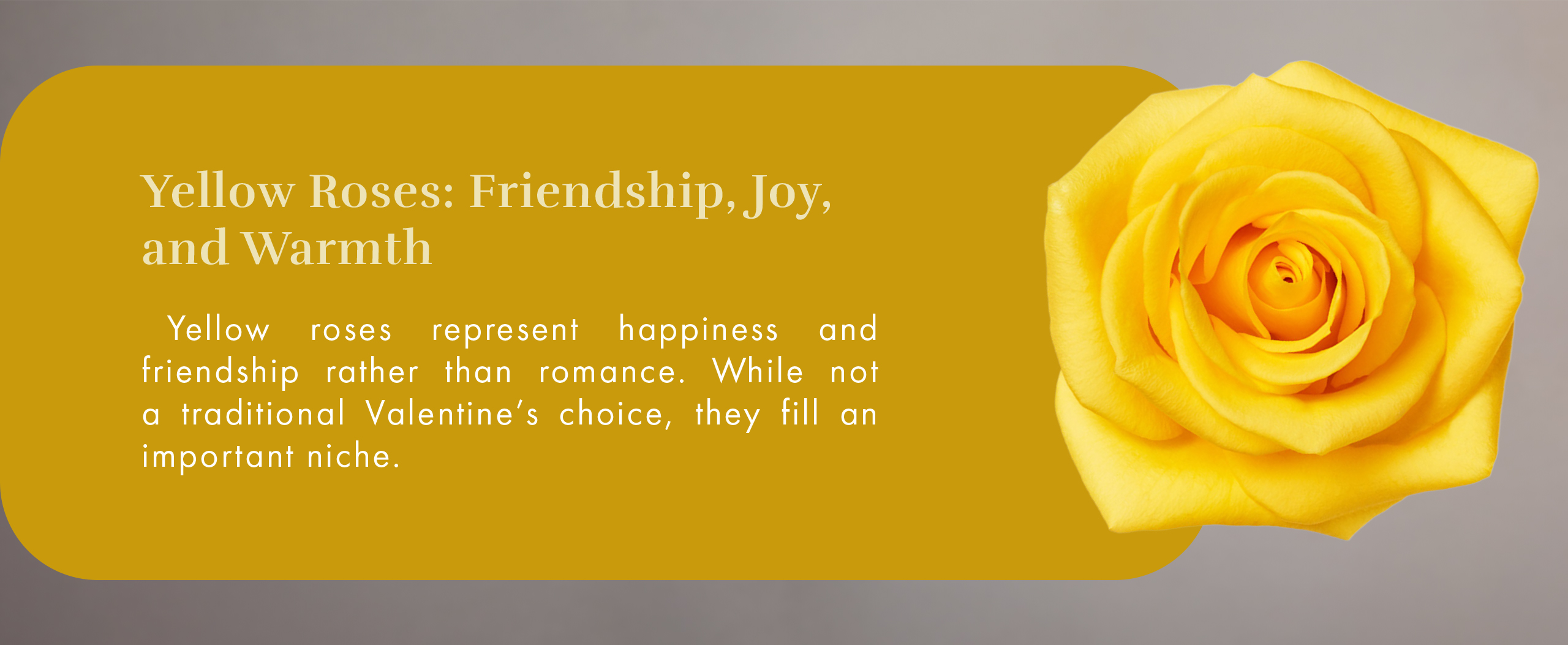
Ideal for:
• Friends and family
• Colleagues or hosts
• Customers who want to avoid romantic symbolism
Tip: Merchandise yellow roses away from romantic collections to avoid confusion. Label them as “Friendship” or “Joy” arrangements.
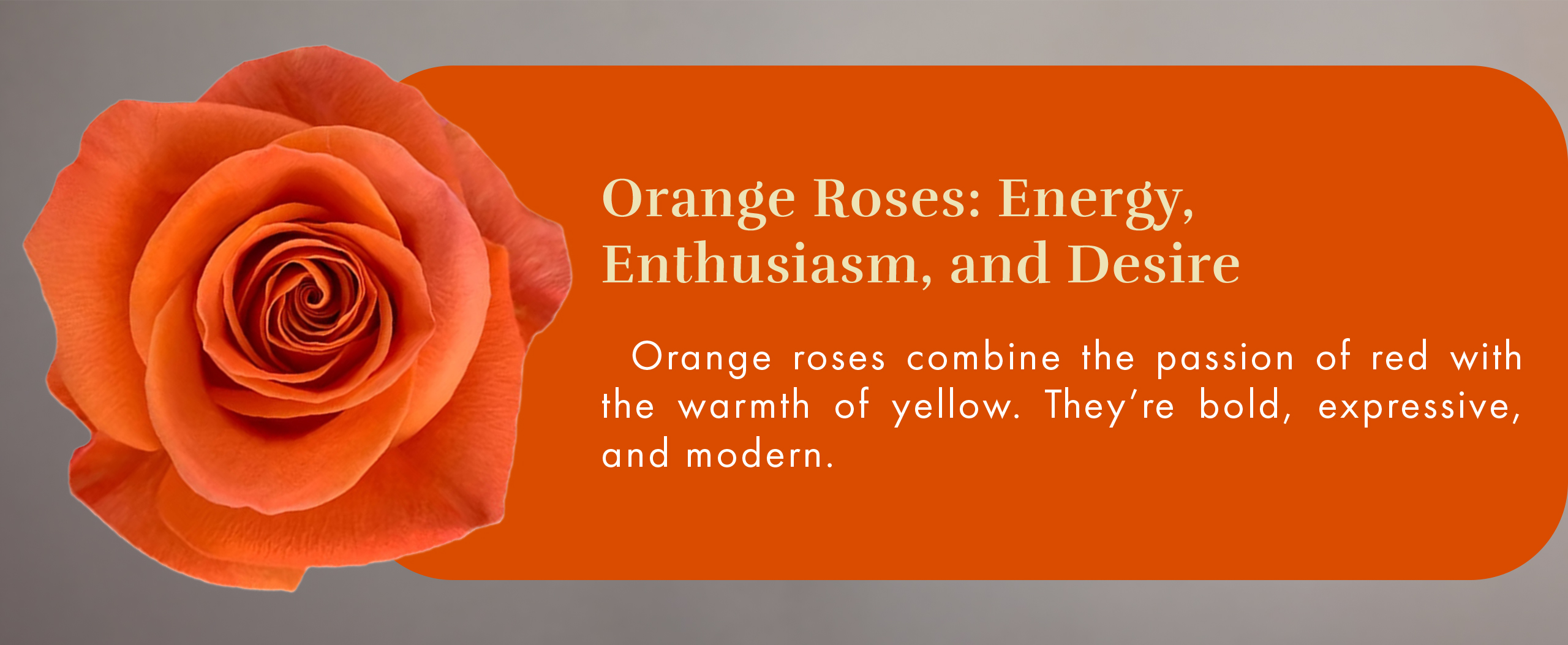
They’re a strong option for:
• Customers wanting something less traditional
• Relationships full of energy and excitement
• Statement arrangements that stand out
Tip: Use orange roses as accent flowers in Valentine’s designs to add vibrancy and upsell mixed bouquets.
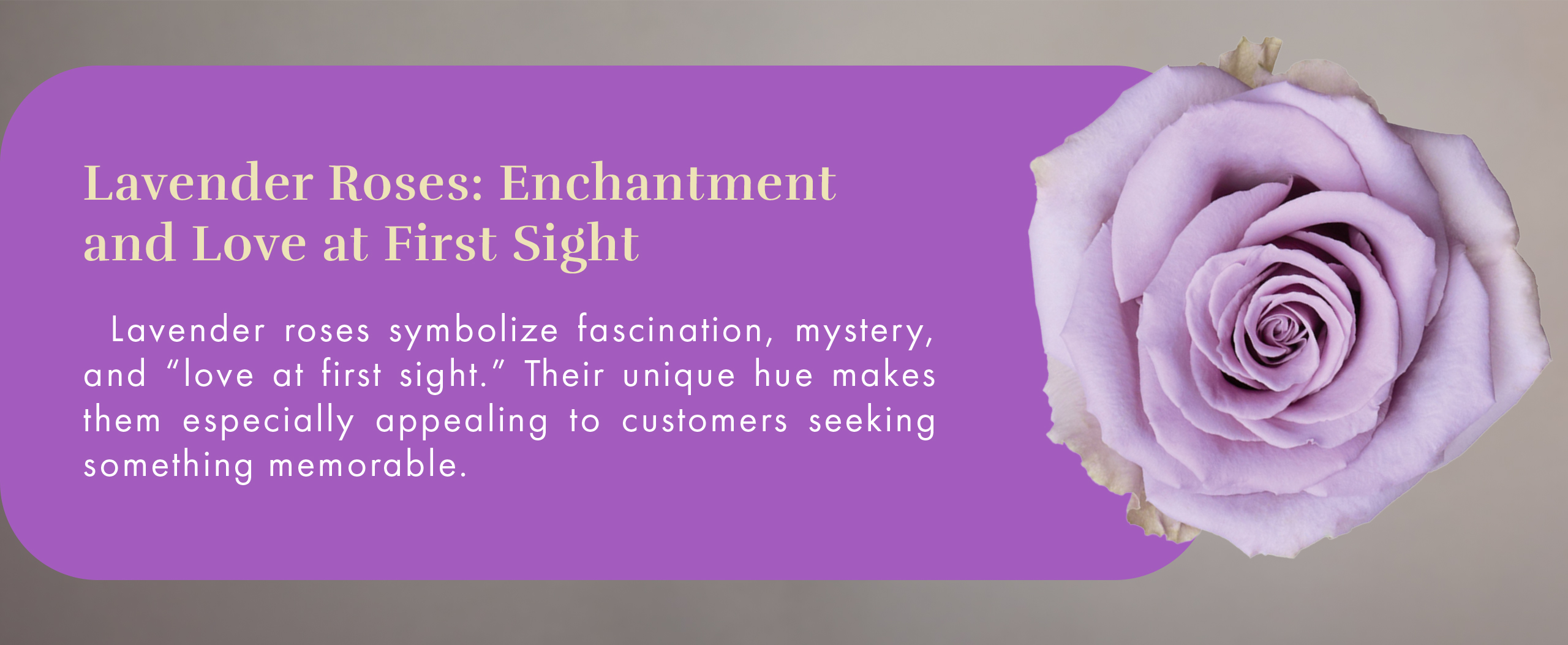
They’re often chosen for:
• New or inspired relationships
• Customers who want something unexpected
• Premium or specialty arrangements
Tip: Highlight lavender roses as a limited or specialty option. This can increase perceived value and encourage early purchases.
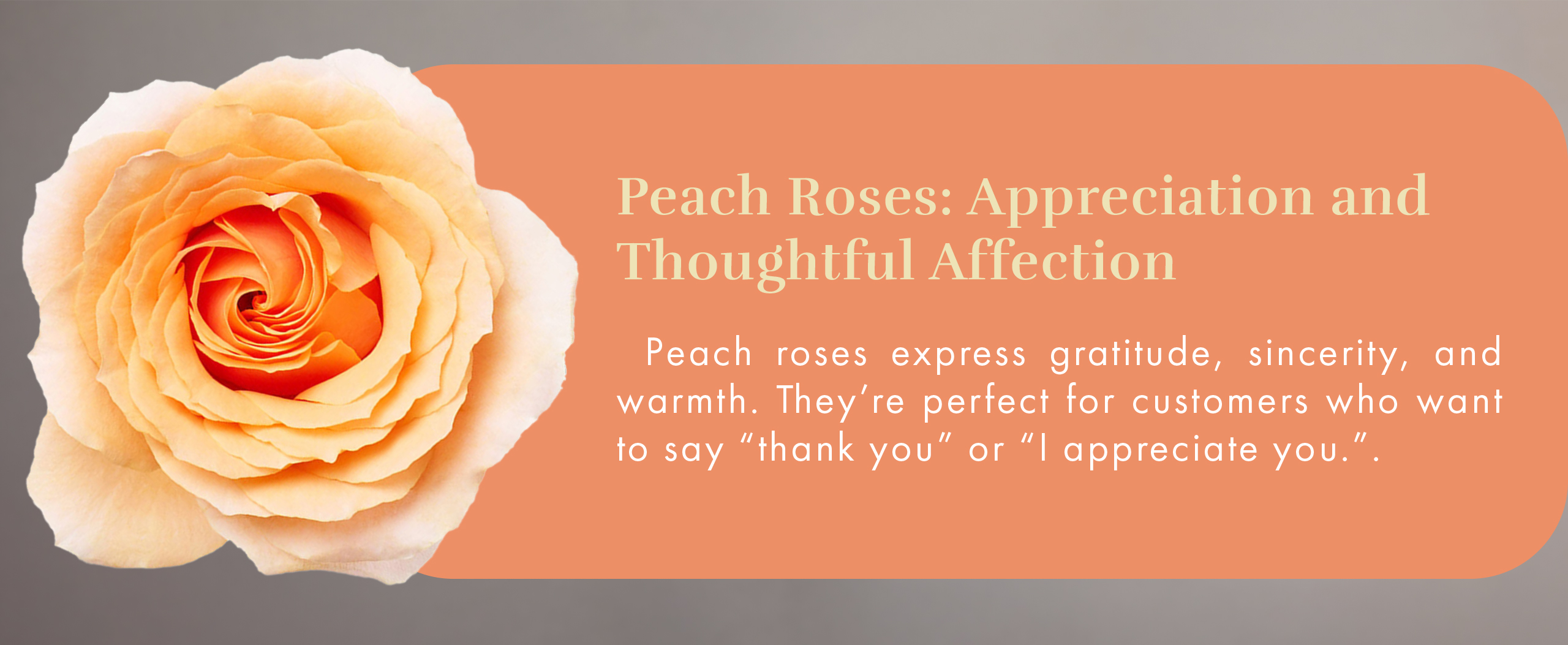
They work well for:
• Mature relationships
• Thoughtful, understated gifts
• Pairing with blush, cream, or soft greenery
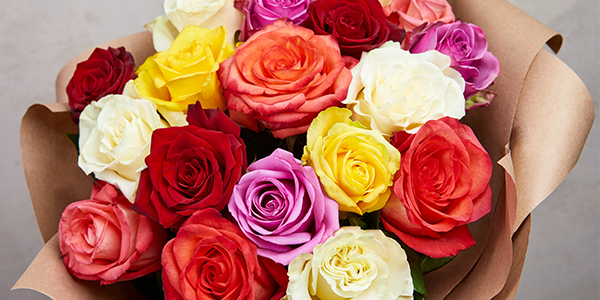
Mixed Rose Bouquets: A Personalized Emotional Message
Mixed-color rose bouquets allow customers to tell a more nuanced story. Combining colors lets them express layered emotions, such as love, admiration, gratitude, and joy.
Tip: Train staff to explain mixed bouquets as “custom emotional messages.” This can help customers feel confident in choosing something unique and personal.
On Valentine’s Day, roses are more than flowers; they’re emotional translators. When you understand the meanings of colors, you can help your customers find the perfect gift to express their feelings, and keep those customers well beyond this holiday.